
Mental Health Resources to Save for Later: Crisis Lines, Peer Support, Illinois Resources, and Basic Needs Support
What Healing Trauma Actually Looks Like (Trauma Series Part 5)
Healing from trauma is not a dramatic transformation. It is often a series of small shifts in how you respond to yourself, how your body feels, and what becomes possible in daily life. Learn more about what healing can look like.
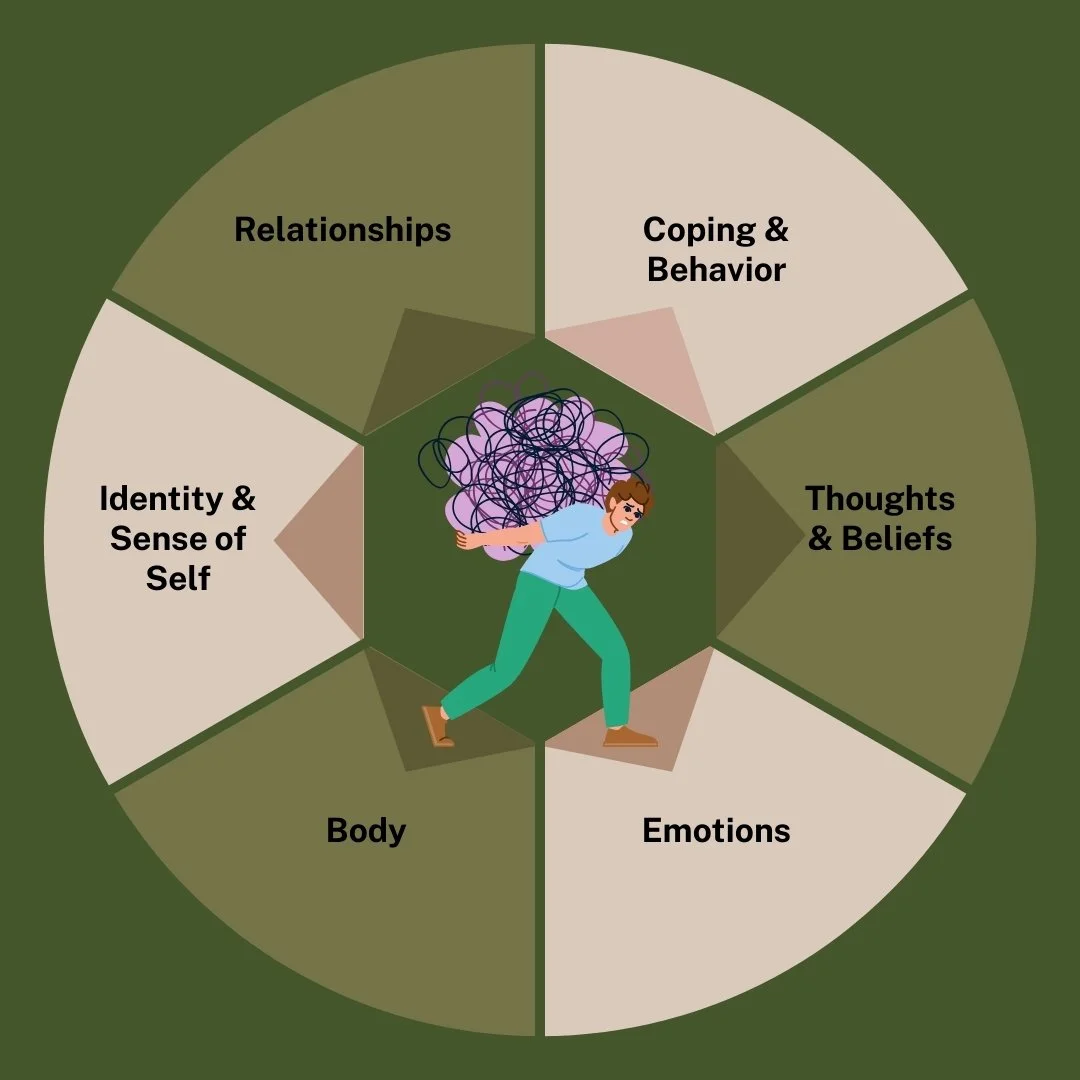
How Trauma Shows Up in Adulthood (Trauma Series Part 4)
Trauma does not always show up as flashbacks or bad memories. More often, it appears in pattens: how we feel, react, relate, and see ourselves. This post explores common ways trauma can show up in adulthood, including in the body, emotions, thoughts, relationships, and self-worth.
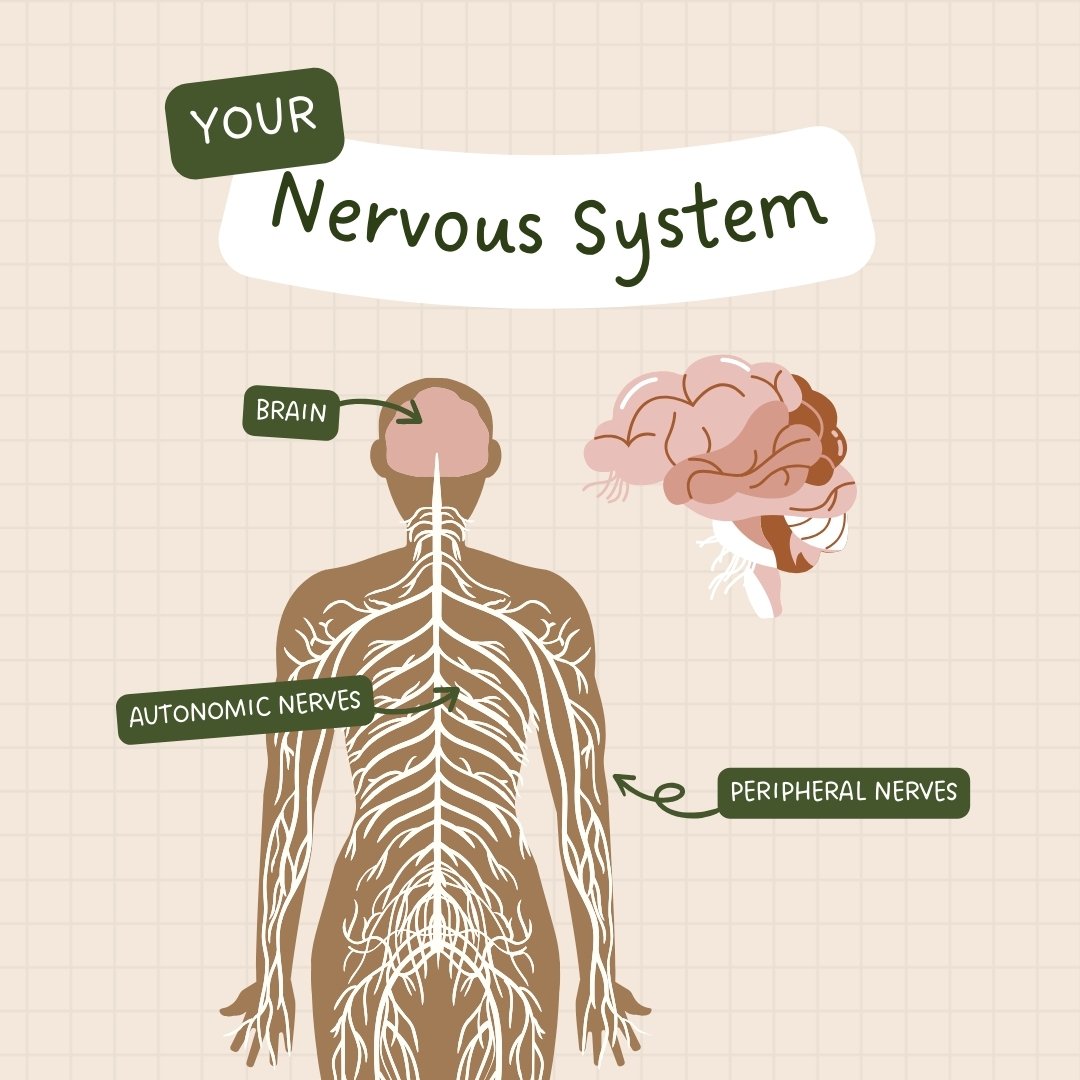
How Childhood Shapes the Nervous System (Trauma Series Part 3)
Your nervous system is like a built-in safety system. In this post, we explore how childhood experiences shape that system over time and how patterns like fight, flight, or shutdown can make sense.
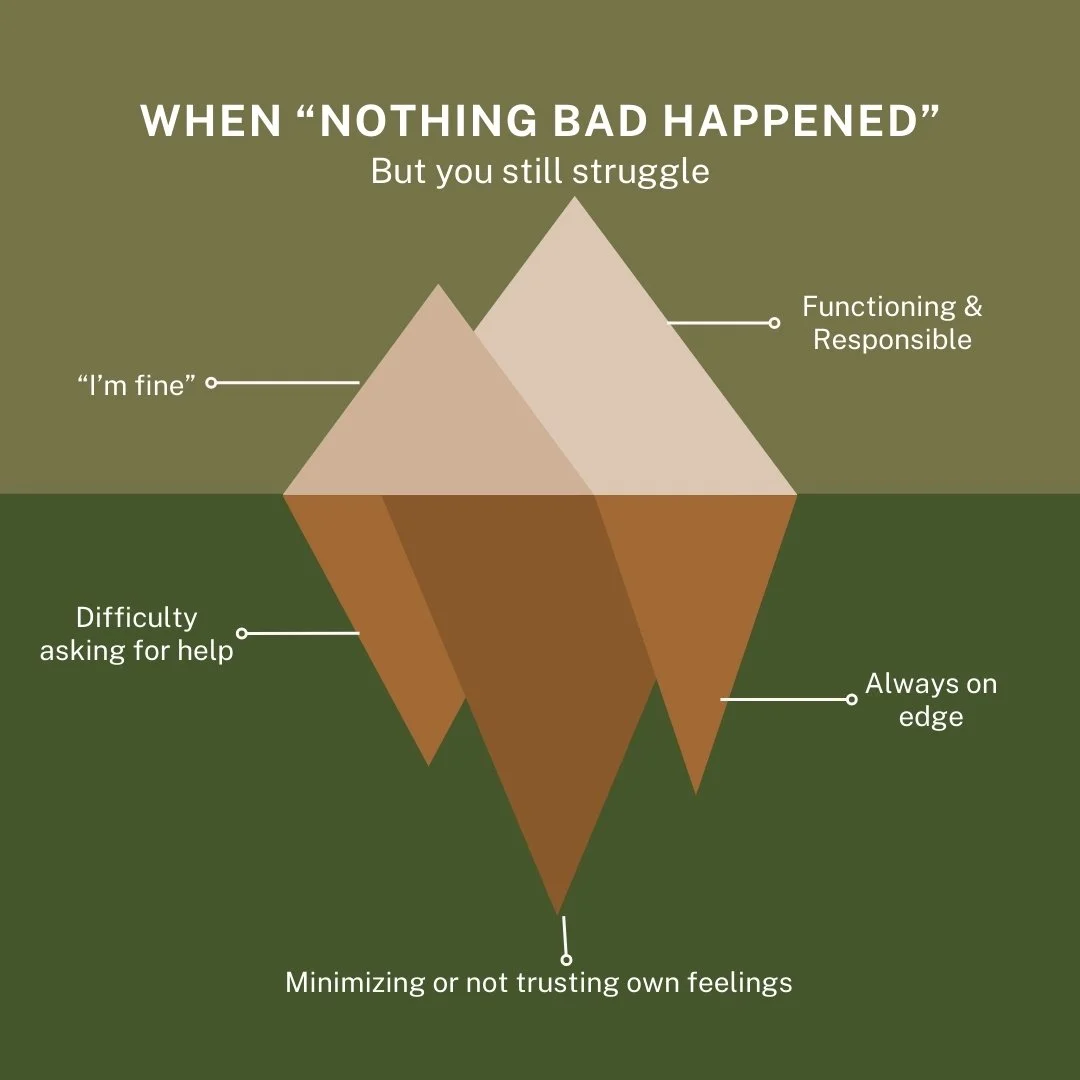
When “Nothing Bad Happened”… But You Still Struggle (Trauma Series Part 2)
You do not need a dramatic story to deserve support. If you feel confused or drained by your emotions and reactions, your story is still valid. This post explores what childhood emotional neglect and chronic misattunement can look like and how it can leave a lasting imprint, even when no one “meant to hurt you.”

What Trauma Really Is And Why It’s More Common Than You Think (Trauma Series Part 1)
When most people hear “trauma,” they picture disasters or life-threatening events. In reality, trauma is more about what happens inside your nervous system when you feel overwhelmed and alone. This post explores some of the less obvious experiences that can still leave a lasting impact.

Understanding Different Levels of Mental Health Support: Inpatient, Outpatient, and IOP/PHP programs
Most people start with weekly therapy, but sometimes life becomes overwhelming enough that you need more support than one hour a week can offer. This post explains the differences between outpatient therapy, intensive outpatient programs (IOP), partial hospitalization programs (PHP), and inpatient care so you can better understand your options and talk with your therapist about what feels right for you.